Chocolate for Retail


For years, many people in the chocolate world believed that a neat trio of cacao varietals – Forastero, Trinitario, and Criollo – were the main differentiator of chocolate flavour. Makers and marketers alike leaned heavily on those names as shorthand for what you could expect in the bar: bold and simple, complex and fruity, delicate and floral.
But here’s the truth: cacao is far more diverse, dynamic, and unpredictable than those three labels suggest.
Today, we know that cacao genetics are incredibly complex. Research in the last decade has revealed dozens of recognised genetic groups, regional hybrids, wild-growing strains, and local cultivars shaped by generations of farmers. The old three-varietal model is, at best, a simplification; at worst, it’s deeply outdated.
Many farmers grow trees that don’t fit neatly into any single category. Some varieties express entirely different flavours depending on the environment they’re grown in. Others are blends of multiple genetic backgrounds. And it’s not uncommon to find multiple varietals growing on a single tree!
In short: varietal is just the beginning of the story – not the ending.
Even if two cacao pods share the same varietal, the chocolate they produce could taste worlds apart. Why? Because everything surrounding the cacao shapes its flavour:
Two makers could start with the same cacao and craft bars with dramatically different personalities. So while varietal matters, it’s only one factor in an orchestra of influences.
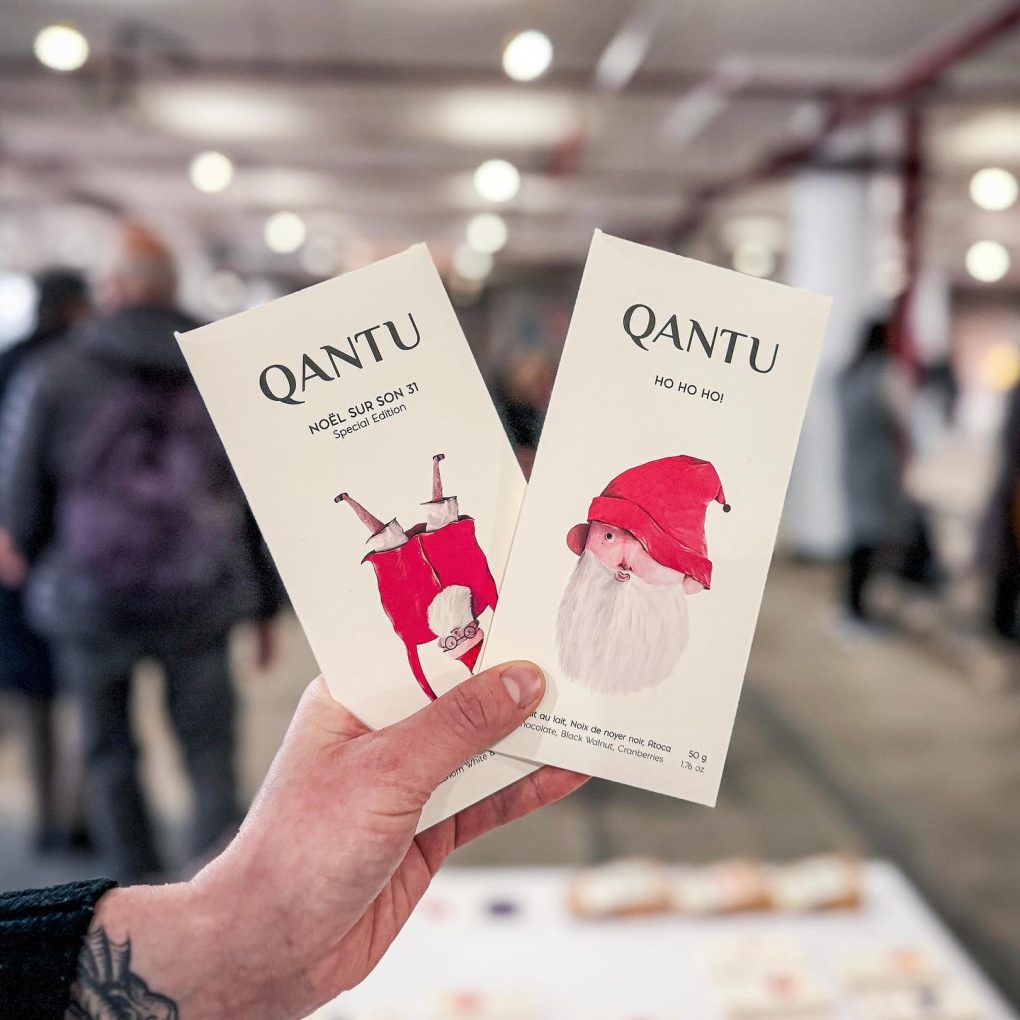
However, it’s worth noting that some of the makers we work with — such as Qantu and Vigdis Rosenkilde — are deeply committed to showcasing specific varietals. They excel at sourcing rare and distinctive genetic strains, then crafting bars that let those nuances shine. Because their approach is so intentionally focused on genetics, the chocolates they create are among the closest you’ll get to tasting the true character of a particular varietal.

It’s true that certain genetic groups tend to show common traits – some have more inherent floral notes, others more nutty or earthy flavours. But they are tendencies, not guarantees, and the foundational flavours can be manipulated in many ways.
The real beauty of craft chocolate is how often it breaks the rules.
We’ve tasted:
That’s the magic of working with a complex, living, evolving ingredient.

If there’s one myth worth clearing, it’s the idea that you can predict flavour from varietal alone. In craft chocolate, the bean’s genetics are just a starting point, and every hand that touches it – from farmer to maker – shapes what happens next.
When you taste chocolate, try to approach each bar with curiosity rather than expectation. Let the flavour speak for itself.
Because in the world of fine cacao, the most exciting discoveries tend to happen when a chocolate refuses to behave the way it “should.”


 Pure and Honest
 Ethical and Delicious