Chocolate for Retail


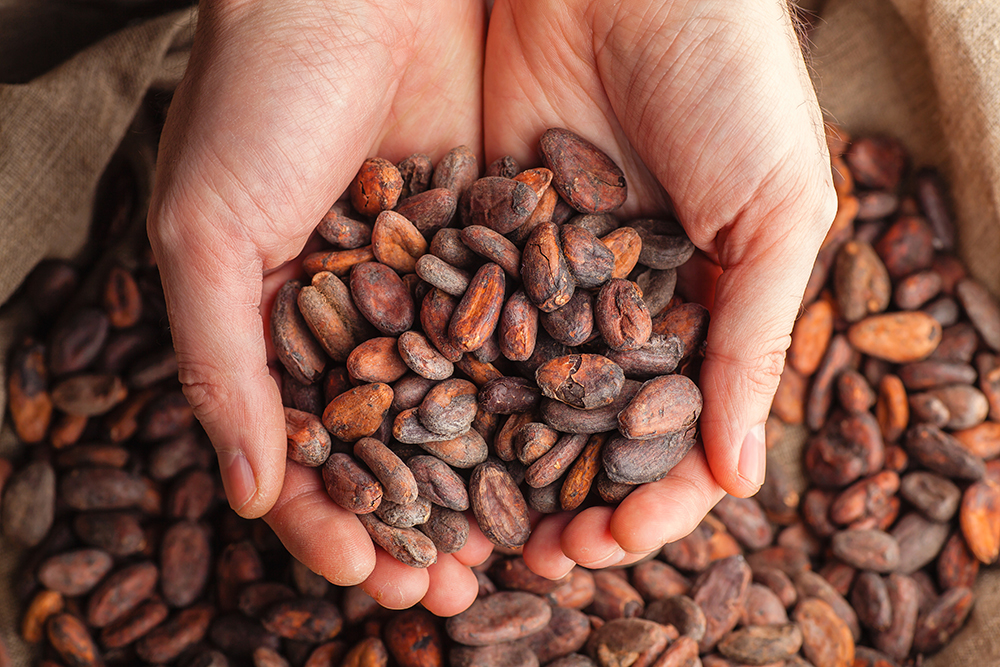
The chocolate world is experiencing a seismic shift. From sunflower seeds to fava beans, koji to carob, a growing number of companies are developing alternatives to cacao that promise to deliver chocolate’s beloved taste and texture without the cacao bean itself. But as these innovations multiply, a fundamental question emerges: can you really call it chocolate if it doesn’t contain cacao?
At The High Five Company, we’re passionate advocates for real, bean-to-bar craft chocolate. And while we’re not opposed to culinary innovation, we believe it’s time for an honest conversation about what chocolate actually is – and what happens when we start calling something else by the same name.
Why the push for cacao alternatives?
The motivations behind cacao alternatives are multifaceted. Climate change is affecting cacao-growing regions, making production less predictable. Supply chain concerns and price volatility have made some companies nervous about relying on cacao. There are also genuine sustainability challenges in cacao farming that need addressing.
But here’s where we become sceptical: many large corporations seem more interested in developing cheap, highly-processed alternatives they can label “sustainable” than investing the time, effort, and money required to make actual cacao farming more sustainable. It’s easier to replace the ingredient than to fix the system.
The result? The emergence of products using sunflower seeds, fava beans, grape seeds and other ingredients marketed as chocolate – or something very close to it.
The taste test: can alternatives match cacao?
We haven’t tasted every alternative on the market, but we remain unconvinced that anything can truly replicate the magic of real cacao. Specialty cacao beans offer hundreds of potential flavour notes – from bright citrus and red berries to deep caramel and roasted nuts. This incredible complexity is what made us fall in love with craft chocolate in the first place.
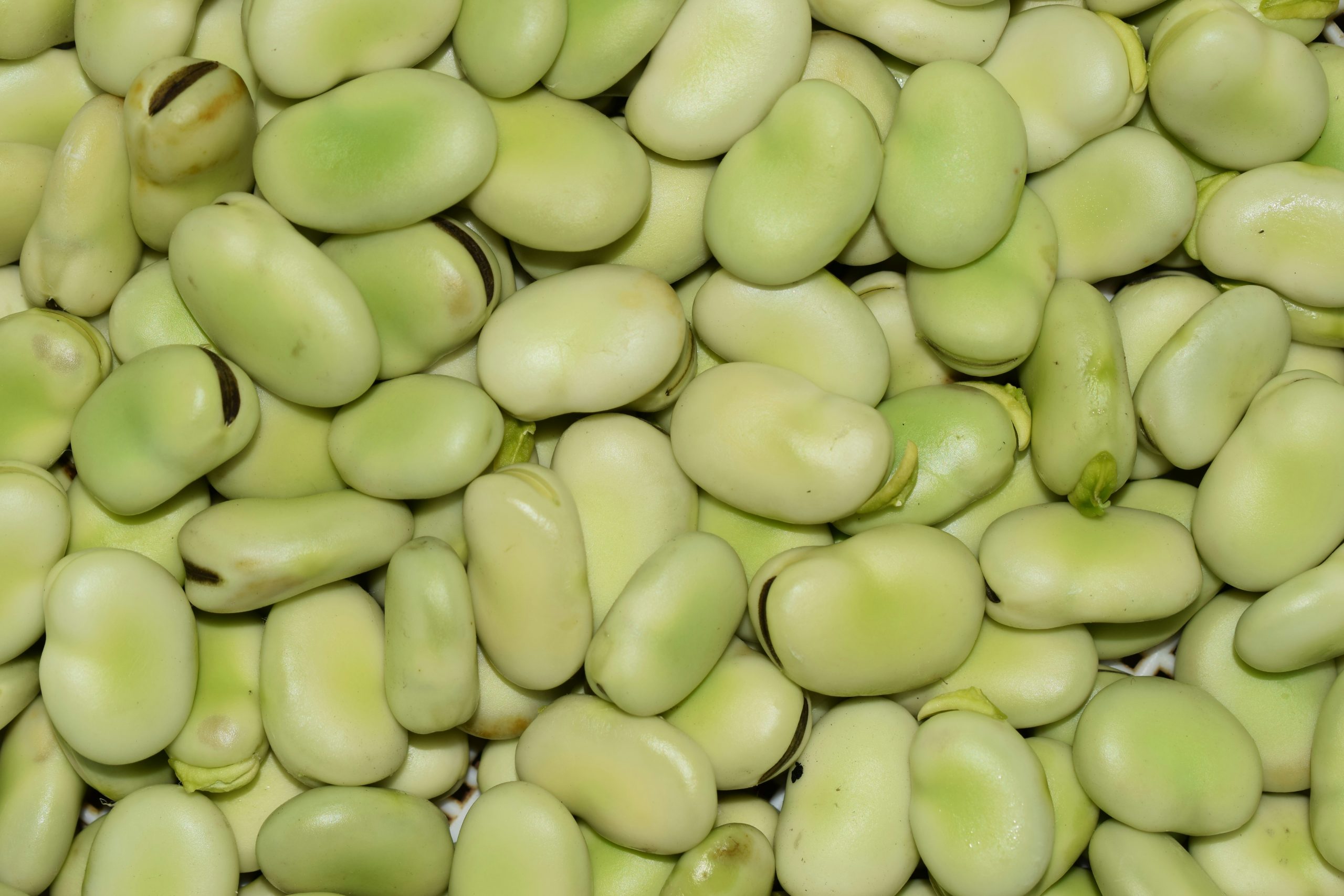
Ingredients like sunflower seeds and fava beans simply lack this depth. They can be processed to mimic chocolate’s texture and some of its basic flavour profile, but the nuanced terroir-driven characteristics that make each origin of cacao unique? Those are missing.
That said, innovation can be exciting when it’s honest about what it is. Take Noma’s Ikke Chokolade (“Not Chocolate”), made with fermented koji. We’d love to try this – it sounds genuinely interesting. But notice what Noma did right: they explicitly called it “Not Chocolate.” They’re not trying to confuse consumers or appropriate chocolate’s identity. They’ve created something new and interesting, and given it an honest name.
What actually makes chocolate, chocolate?
This isn’t just a philosophical debate. Many countries have legal definitions specifying minimum cacao content requirements for products labelled as chocolate. These standards exist to protect consumers and maintain the integrity of the product.
If we allow the term “chocolate” to apply to any brown, sweet confection regardless of ingredients, we erode these protections. We’re already seeing signs of this shift. Some mass-market products are quietly being relabelled as “chocolate flavoured” because they no longer contain enough (or any) actual chocolate to legally be called chocolate.
Remember carob? It was the original cacao alternative, popular in health food stores decades ago. And notably, nobody called it chocolate. It was always “carob” or “carob flavoured.” People understood it was a different product entirely.
The craft chocolate perspective
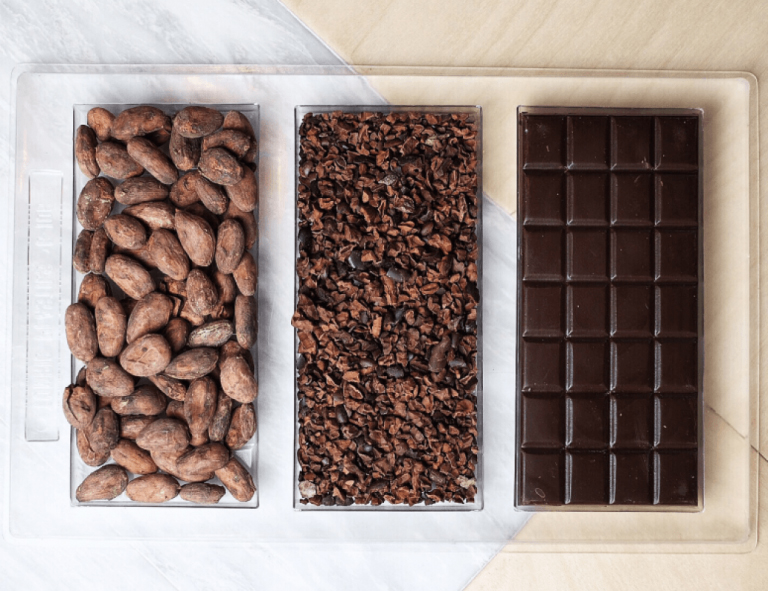
Most of these alternatives are aimed squarely at the mass market – cheap, highly-processed products designed for maximum profit margins rather than quality. This stands in stark contrast to the craft chocolate movement, where makers are obsessed with bean quality, ethical sourcing, and letting the natural flavours of cacao shine.
If current trends continue, we may one day reach a point where mass-produced “chocolate” becomes an entirely different product from craft chocolate. In this scenario, bean-to-bar chocolate could become the only place to find real chocolate made with actual cacao. While this might increase interest in craft chocolate among discerning consumers, it would be a shame to see real chocolate relegated to a niche market while heavily-processed and fake alternatives dominate the mainstream.
Truth in labelling
We’re not opposed to people creating new products with innovative ingredients. Culinary innovation is wonderful – but we believe these products should be honest about what they are.
Think about how we handle similar situations with other foods. In the EU (and many other regions), plant-based drinks can’t legally be labelled “milk” — they must be called things like “oat drink” or use alternative spellings such as “mylk.” These distinctions exist for good reason: they prevent consumer confusion while still allowing innovation to flourish. Likewise, peanut butter isn’t sold simply as “butter.” Clear terminology helps everyone understand what they’re buying.
Perhaps we need similar clarity for chocolate alternatives. “Fava bean chocolate” or “carob -based bar” as label requirements would give consumers honest information while still allowing these products to exist. Better yet, companies could embrace creative branding that celebrates what makes their products unique rather than trying to ride on chocolate’s coattails.

A curious comparison: what about coffee?
Cacao isn’t the only crop under pressure. Coffee faces many of the same challenges — climate vulnerability, price volatility, supply chain instability and sustainability concerns. Yet we’re not seeing a widespread push to replace coffee beans with sunflower seeds or fava beans and still call it coffee. Instead, the industry conversation largely focuses on improving farming practices, investing in origin, and building resilience in coffee-growing communities.
So why is cacao being positioned as replaceable, while coffee is treated as essential?
Perhaps it comes down to perception. Specialty coffee has successfully educated consumers about origin, varietal, processing and terroir. People understand that coffee is an agricultural product with nuance and complexity. We believe chocolate deserves that same respect.
The future we want to see
At The High Five Company, we source from makers who are deeply invested in cacao – understanding its origins, working directly with farmers, and crafting chocolate that honours the bean. This approach isn’t just about flavour (though the flavour is extraordinary). It’s about building sustainable, ethical supply chains and supporting farming communities.
We believe the solution to chocolate’s sustainability challenges isn’t to replace cacao with cheaper alternatives. It’s to do the harder work of making cacao farming more sustainable, profitable for farmers, and resilient to climate change. Many craft chocolate makers are already pioneering these approaches, paying premium prices to farmers, investing in long-term relationships, and supporting farming communities.
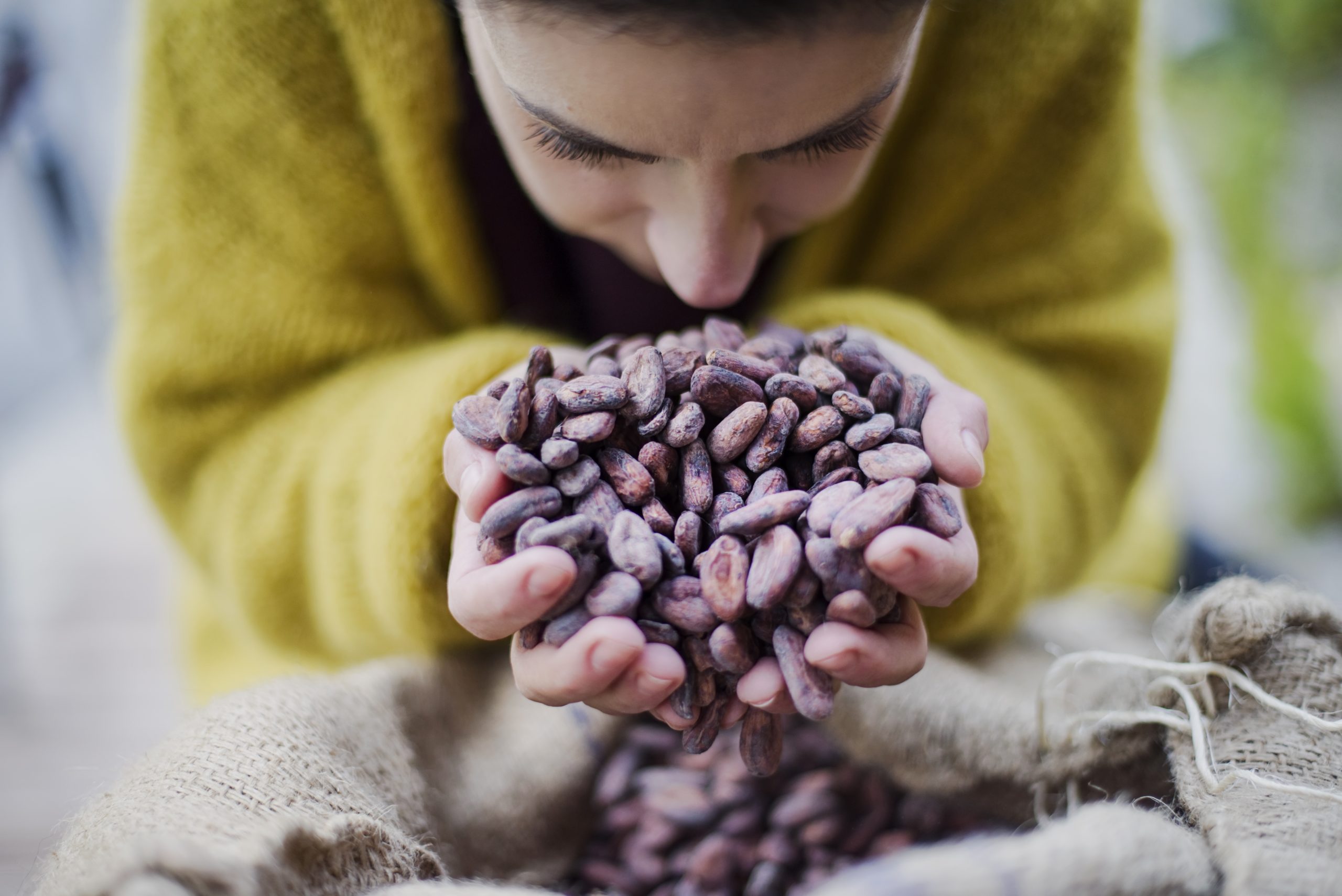
Real chocolate has an irreplaceable flavour complexity that comes from the cacao bean itself – shaped by things like soil, climate, fermentation, and the skill of the chocolate maker. Once you’ve tasted genuinely excellent craft chocolate, you understand why we’re so passionate about protecting what chocolate actually is.
Innovation is welcome. Alternatives are welcome. But let’s call them what they are and save the word “chocolate” for products that actually contain the ingredient that makes chocolate what it is: cacao.
Want to experience what real craft chocolate tastes like? Browse our wholesale collection of award-winning bean-to-bar chocolate from passionate makers around the world.


 Pure and Honest
 Ethical and Delicious